Eskimoz
Design system powering a marketing operating system
Design system powering a marketing operating system
0→1 design system scaling across 8 product surfaces and 5 European markets. Built Polar from scratch to replace a fragmented interface with a shared component layer, design tokens, and coherent interaction patterns. Freed product teams to solve SEO and paid media problems.
0→1 design system scaling across 8 product surfaces and 5 European markets. Built Polar from scratch to replace a fragmented interface with a shared component layer, design tokens, and coherent interaction patterns. Freed product teams to solve SEO and paid media problems.
0→1 design system scaling across 8 product surfaces and 5 European markets. Built Polar from scratch to replace a fragmented interface with a shared component layer, design tokens, and coherent interaction patterns. Freed product teams to solve SEO and paid media problems.

Product didn't reflect the business
Product didn't reflect the business
Eskimoz was entering a new phase of growth and the product no longer reflected the maturity of the business or the sophistication of its tools.
Eskimoz was entering a new phase of growth and the product no longer reflected the maturity of the business or the sophistication of its tools.
The goal wasn't just to modernise the UI. It was to create a stronger foundation for scale. Introducing Polar, a modular design system to bring consistency to the product, improve usability, and make collaboration between design and engineering faster and more reliable.
The goal wasn't just to modernise the UI. It was to create a stronger foundation for scale. Introducing Polar, a modular design system to bring consistency to the product, improve usability, and make collaboration between design and engineering faster and more reliable.
Where structure was missing
Where structure was missing
Treated the work as both a product and systems challenge. Audited the existing platform, documented recurring interaction patterns, identified where screens had diverged from each other over time.
Treated the work as both a product and systems challenge. Audited the existing platform, documented recurring interaction patterns, identified where screens had diverged from each other over time.
In parallel, spoke with designers and engineers to pinpoint moments where lack of structure was slowing them down. Re-creating components. Resolving visual inconsistencies late in the development cycle. Small issues that compound into significant friction when you're trying to ship.
In parallel, spoke with designers and engineers to pinpoint moments where lack of structure was slowing them down. Re-creating components. Resolving visual inconsistencies late in the development cycle. Small issues that compound into significant friction when you're trying to ship.

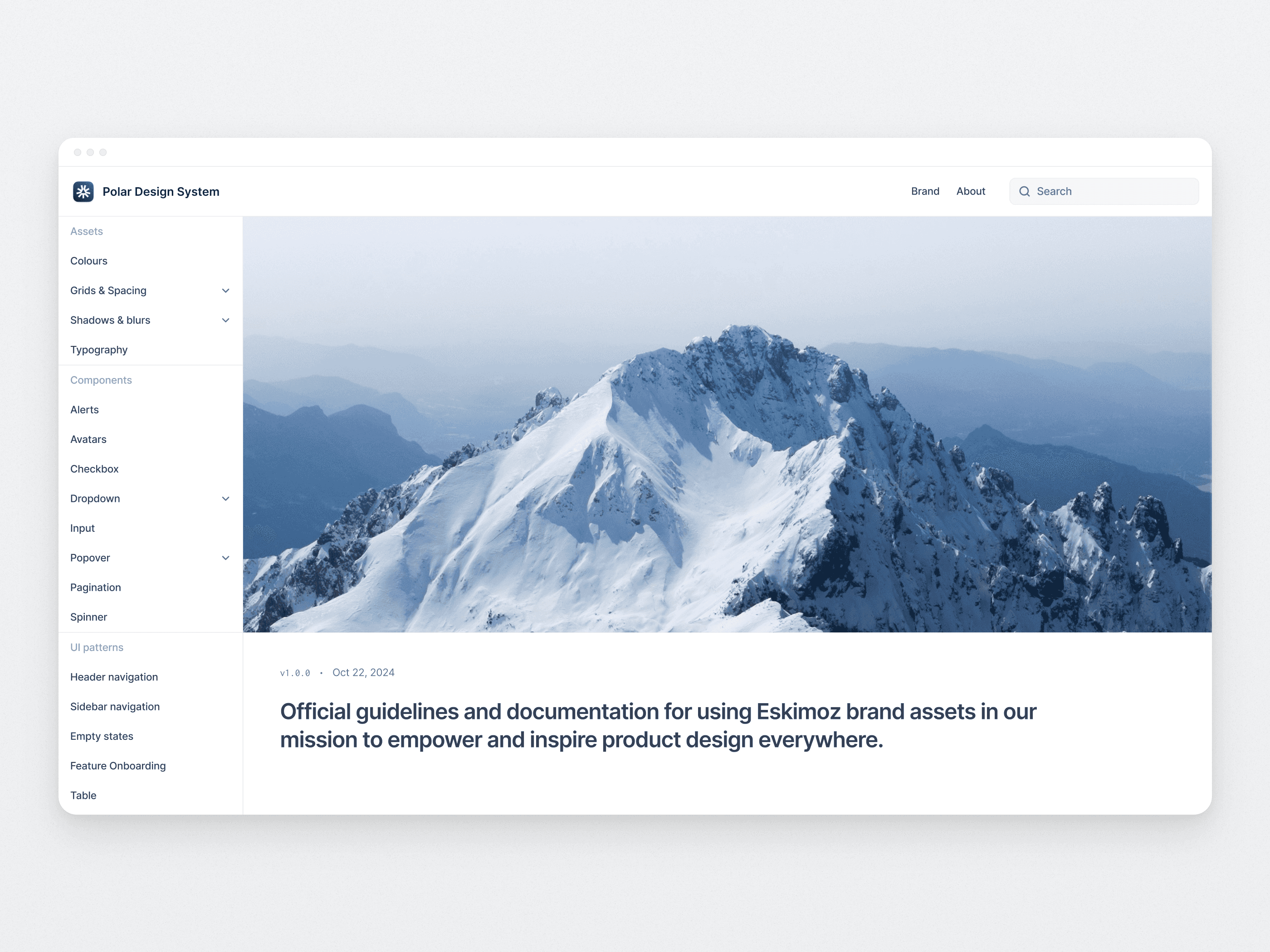
The legacy design system and core UI components
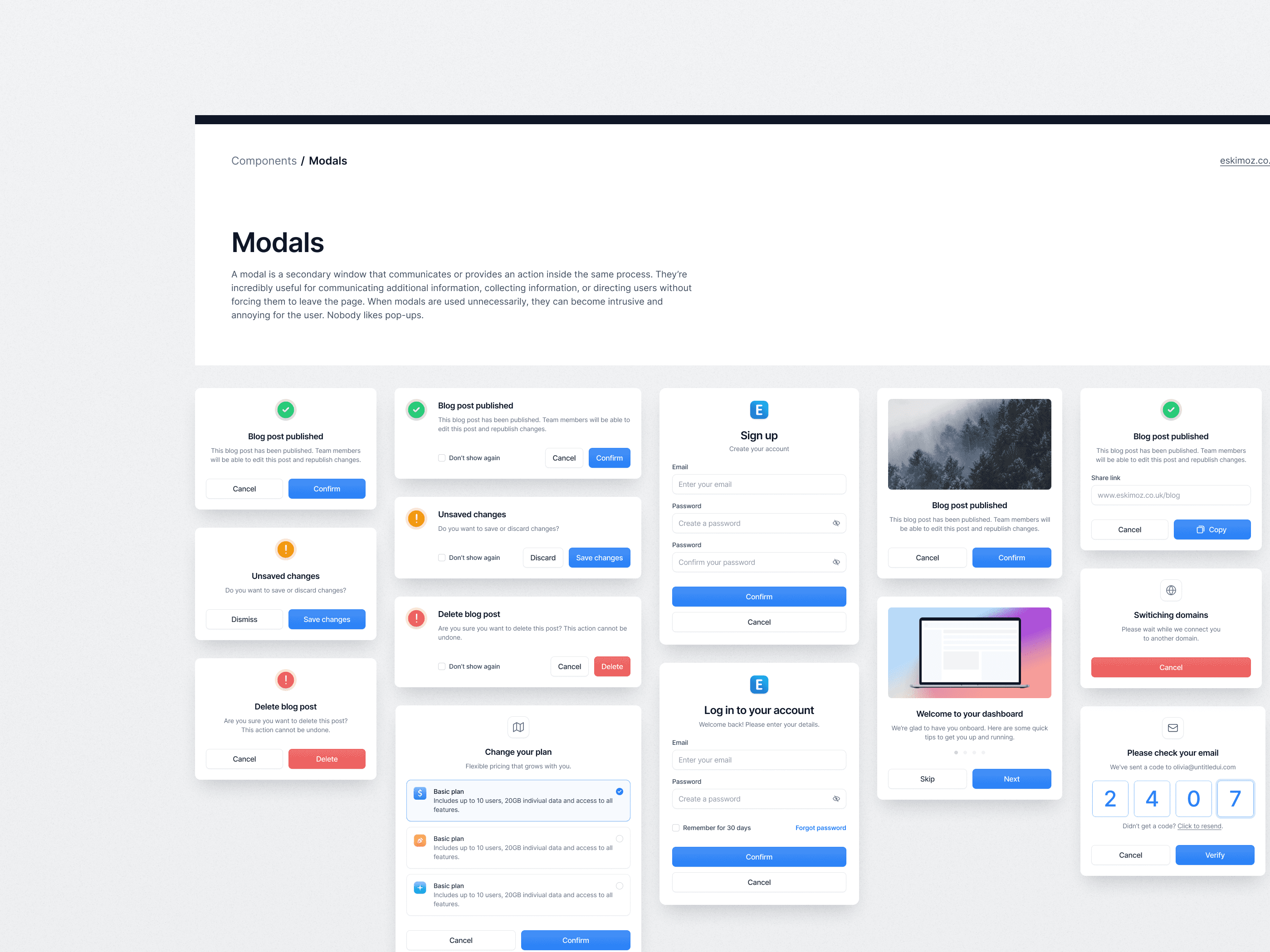
Modal component library covering key flows and edge cases
Fragment. Compound. Repeat.
Fragment. Compound. Repeat.
The interface had grown organically without a clear underlying system. This led to a fragmented experience that made already complex SEO and SEA workflows harder to navigate.
The interface had grown organically without a clear underlying system. This led to a fragmented experience that made already complex SEO and SEA workflows harder to navigate.
The absence of a shared design language increased cognitive load for users and introduced friction for internal teams. UI-related technical debt was driving up costs and making it slower and more expensive to ship improvements. Without a system, every new feature started from scratch.
The absence of a shared design language increased cognitive load for users and introduced friction for internal teams. UI-related technical debt was driving up costs and making it slower and more expensive to ship improvements. Without a system, every new feature started from scratch.
A modular system, not a redesign
A modular system, not a redesign
Set the strategic direction for Polar and defined it as a modular system that could scale with the product rather than a one-off redesign.
Set the strategic direction for Polar and defined it as a modular system that could scale with the product rather than a one-off redesign.
Created a unified visual language with reusable components, clear typography and spacing rules, and patterns for handling dense data. Alongside the assets themselves, invested in documentation and usage guidelines so designers and engineers could make consistent decisions without needing constant oversight. This gave teams a practical framework to build on whilst making complex views easier for users to read and act on.
Created a unified visual language with reusable components, clear typography and spacing rules, and patterns for handling dense data. Alongside the assets themselves, invested in documentation and usage guidelines so designers and engineers could make consistent decisions without needing constant oversight. This gave teams a practical framework to build on whilst making complex views easier for users to read and act on.

Button variants and interactive states


Checkbox group variants and states
Strategic enabler, not finishing layer
Strategic enabler, not finishing layer
Polar reduced the need to design and code bespoke UI for each new feature. Cut technical debt. Made it easier for engineers to get up to speed.
Polar reduced the need to design and code bespoke UI for each new feature. Cut technical debt. Made it easier for engineers to get up to speed.
New team members were able to ship production-ready work much earlier, and existing teams could focus on solving SEO and SEA problems rather than wrestling with layout and styling. The system helped reposition design inside Eskimoz as a strategic enabler for the company's next stage of growth, not just a finishing layer applied at the end.
New team members were able to ship production-ready work much earlier, and existing teams could focus on solving SEO and SEA problems rather than wrestling with layout and styling. The system helped reposition design inside Eskimoz as a strategic enabler for the company's next stage of growth, not just a finishing layer applied at the end.
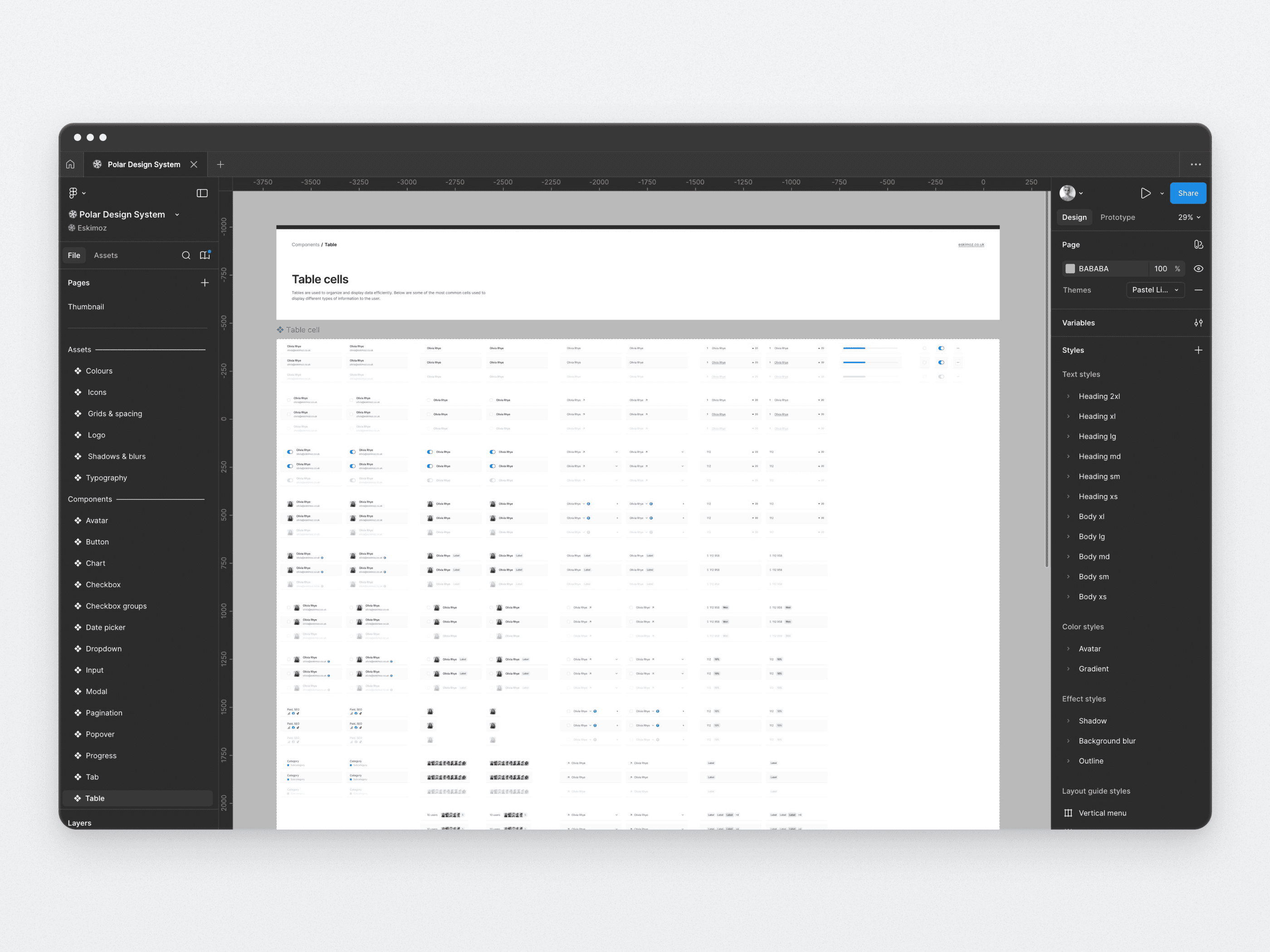
System architecture and component organisation